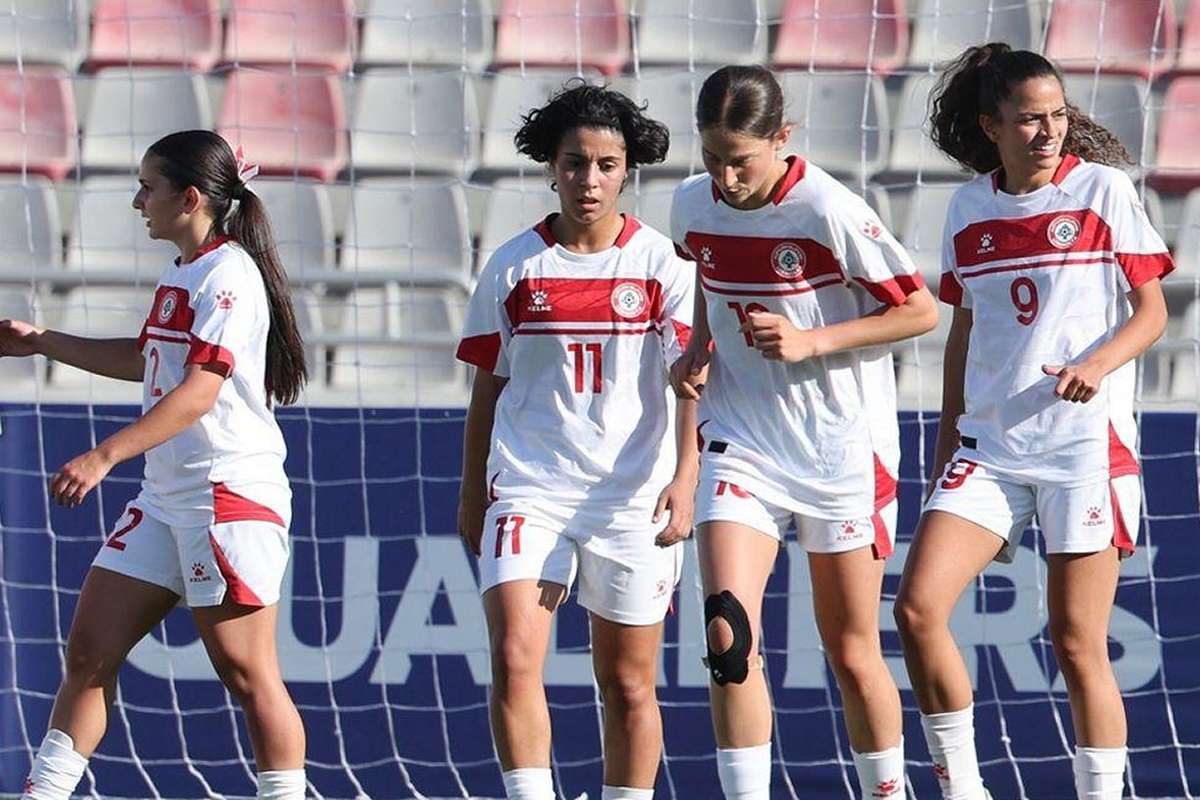
Recent women’s football qualifiers across Asia and Oceania were filled with exciting moments and surprising results. In a tense final match, Iran clinched their spot for the 2026 AFC Women’s Asian Cup. Meanwhile, the Oceania Women’s Nations Cup saw an unexpected new champion crowned, shaking up the regional order.
These tournaments highlighted the growing competition in women’s football worldwide. Iran’s victory showed their fighting spirit, while the Solomon Islands’ historic win in Oceania proves that traditional top teams can be challenged. Many teams also showcased their global reach, with players from diaspora communities making a significant impact.
🏆 Iran’s Dramatic Path to the Asian Cup
The AFC qualifiers in Group A were full of twists and turns. Bhutan started strong with two impressive wins, while Lebanon pulled off a shocking 3-1 victory over Iran, thanks to a hat-trick from 19-year-old Christy Maalouf. This set the stage for a thrilling final day where Jordan and Iran faced off for a spot in the Asian Cup. Needing a win to qualify, Iran delivered a determined performance, securing a 2-1 victory with goals from Sara Didar and Negin Zandi. Although both teams finished with nine points, Iran advanced because of their head-to-head win, booking their ticket to the AFC Finals for the second time in a row.
🇸🇧 Solomon Islands Make History in Oceania
The 2025 Oceania Women’s Nations Cup, held in Fiji, ended with a historic upset. The Solomon Islands, ranked 86th in the world, defeated favorites Papua New Guinea in a thrilling 3-2 overtime final. Papua New Guinea played the entire second half with only ten players but showed great resilience, fighting back twice to level the score. However, a goal in extra time from substitute Jemina David secured the Solomon Islands’ first-ever continental title. In the third-place match, Samoa earned their best-ever finish by defeating the host nation, Fiji.
🌏 Global Talent and Club Success
These tournaments also highlighted how globally connected women’s football has become. Teams like Lebanon, Jordan, and Fiji featured many “diaspora” players—those born or raised in countries like the U.S., Canada, and Australia who choose to represent their heritage nations. This global talent is raising the level of competition across the board. On the club side, New Zealand’s Auckland United won the OFC Women’s Champions League for the second straight year, beating Hekari United of Papua New Guinea 1-0 in the final. This victory earns them a spot in the new FIFA Women’s Champions Cup.
🗺️ Greenland’s Quest for Recognition
Far from the action in Asia and Oceania, Greenland’s national football association faced a different kind of challenge. Their application to join CONCACAF, the football confederation for North and Central America and the Caribbean, was unanimously rejected. As an autonomous territory of Denmark, Greenland is not a member of any FIFA regional confederation, which limits their national teams’ opportunities to compete in official tournaments. The decision was a disappointment for Greenland’s football community, who see it as a setback for smaller nations wanting to play under their own flag.