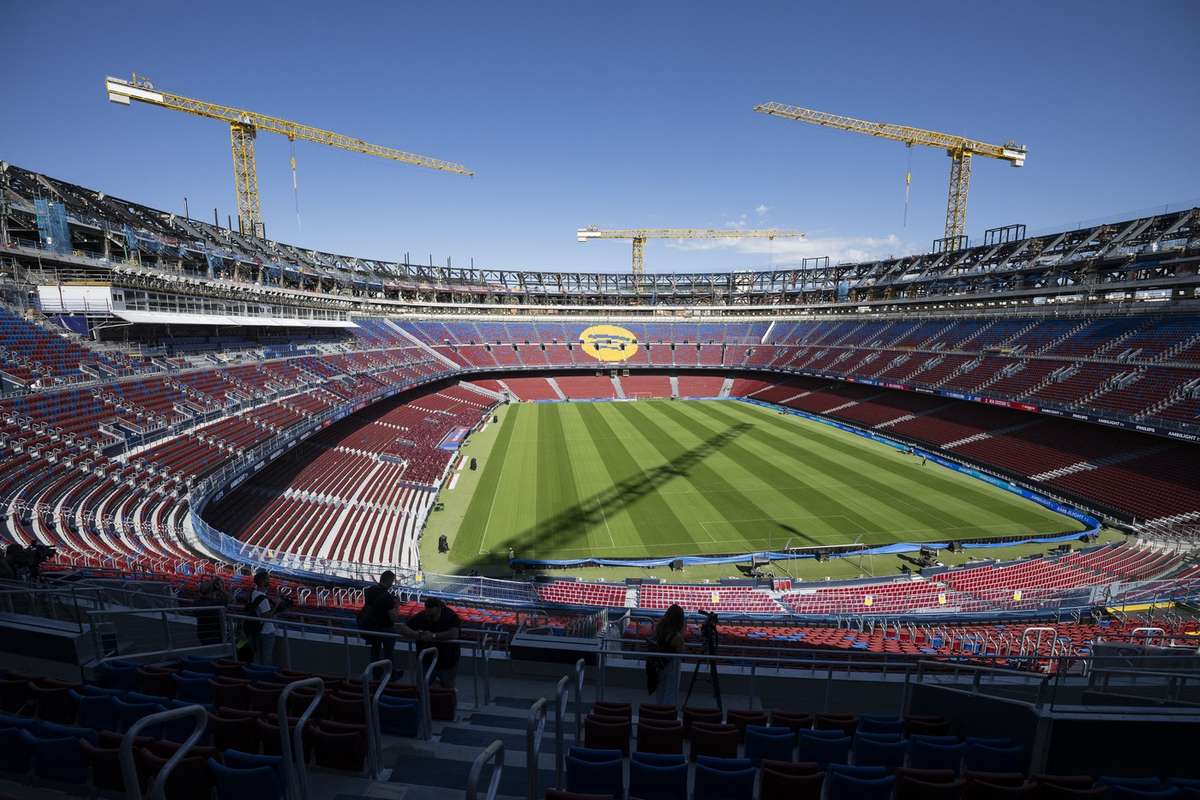
FC Barcelona had hoped to celebrate their 125th anniversary with a grand reopening of their renovated Camp Nou stadium in November 2024. However, that date has passed, along with several other deadlines. The club has faced numerous setbacks, forcing them to play some early home games this season at their small 6,000-seat Johan Cruyff training stadium, resulting in an estimated loss of over €4 million.
The renovation of the iconic stadium has proven to be a complex and challenging project. The main issues stem from construction difficulties, safety permit delays from the city council, and the financial pressure these delays are putting on the club. While the future stadium promises an upgraded experience for fans, the journey to completion is taking much longer than originally planned.
🚧 The Current Hurdle: Safety First
The most recent setback came from Barcelona’s city council, which has delayed issuing a permit to reopen the stadium at a reduced capacity. The council raised concerns about the safety of evacuation routes for fans. “This city council must guarantee the safety of everyone who wants to go to the stadium — this is the priority,” a city official stated. While the club resolves this, they have arranged to use the city’s Olympic stadium for their upcoming league and Champions League matches. Club president Joan Laporta remains hopeful they can secure the permit in time to host their match against Girona at Camp Nou on October 18th.
🏗️ Challenges on the Construction Site
Since the renovation began, the project has faced a series of on-site problems. Two changing rooms had to be rebuilt twice due to flooding issues. Complaints from nearby residents about noise and light led to stricter limits on working hours. Furthermore, rising costs of materials and the discovery that over 2,000 more modifications were needed than first expected have added to the delays and expenses. Though much of the interior is still unfinished, with exposed pipes and unpainted walls in some areas, the club believes the main seating and pitch areas are ready for matches as long as safety is not compromised.
💰 Financial Impact and Future Plans
The entire renovation project is estimated to cost Barcelona around €1.5 billion. The delays mean the club cannot generate income from their home ground, which is crucial for managing their finances under La Liga’s fair play rules. There are also concerns about their sponsorship deal with Spotify, as the agreement may be affected if the stadium is not operating at 90% capacity by the end of the season. Despite the current issues, the long-term vision for Camp Nou is impressive. The final capacity will increase to 105,000, and a new roof is planned for installation in the summer of 2027, a year later than the original schedule.