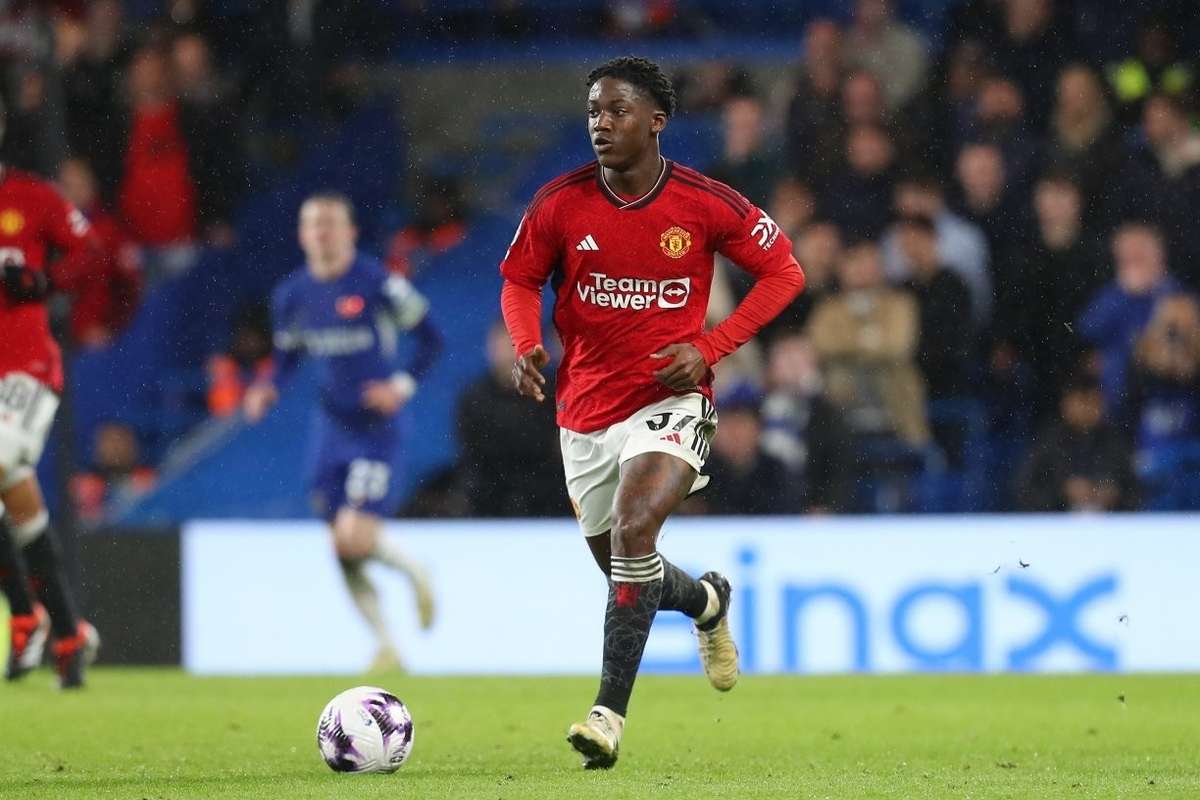
Young talent Kobbie Mainoo recently asked Man United for a loan move to get more playing time in the first team. However, the club turned down his request, telling him he needs to fight for his spot. This decision has sparked discussions about his future at Old Trafford, especially given manager Ruben Amorim’s current tactical setup and Man United’s recent transfer strategy. Mainoo’s desire to gain experience versus the club’s insistence on internal competition sets up a fascinating dilemma for both the player and the team.
🤔 Why Mainoo Struggles for a Spot
Man United’s need for a strong midfielder has been clear, yet their transfer choices this season have complicated Mainoo’s path to the starting eleven. While they pursued Carlos Baleba from Brighton, the high asking price led them to sign Benjamin Sesko for £74 million instead. Sesko is seen as a long-term project and a forward, not directly addressing the midfield gaps. In Ruben Amorim’s preferred 3-4-2-1 formation, Mainoo’s best role would be as one of the two attacking midfielders, but Matheus Cunha and Bryan Mbeumo are currently ahead of him. This has also pushed club captain Bruno Fernandes into a deeper, less comfortable midfield role, often paired with a defensive midfielder who struggles with the pace of the Premier League. Mainoo, a press-resistant box-to-box midfielder, has a profile similar to Baleba’s, suggesting he could offer the midfield energy Man United needs. However, Amorim’s rigid tactics and the club’s focus on attacking signings have left Mainoo with limited opportunities.
⏳ Can Mainoo Outlast Amorim?
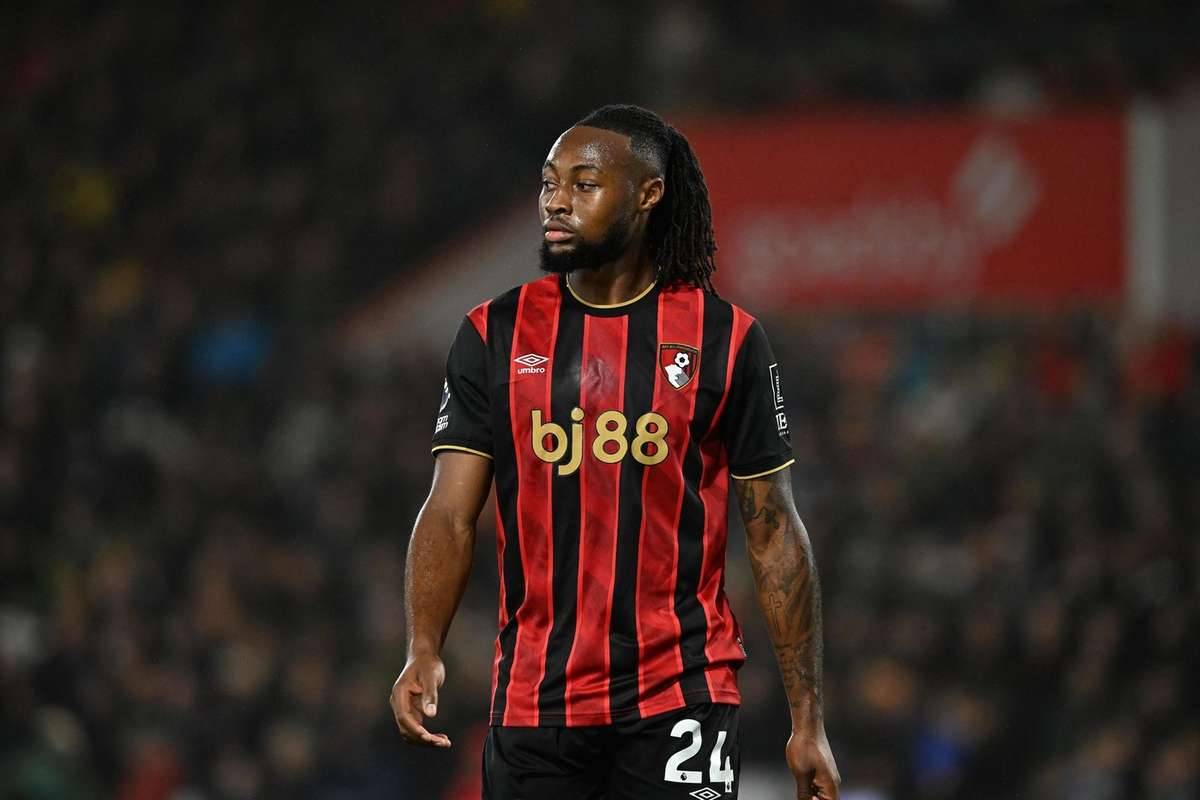
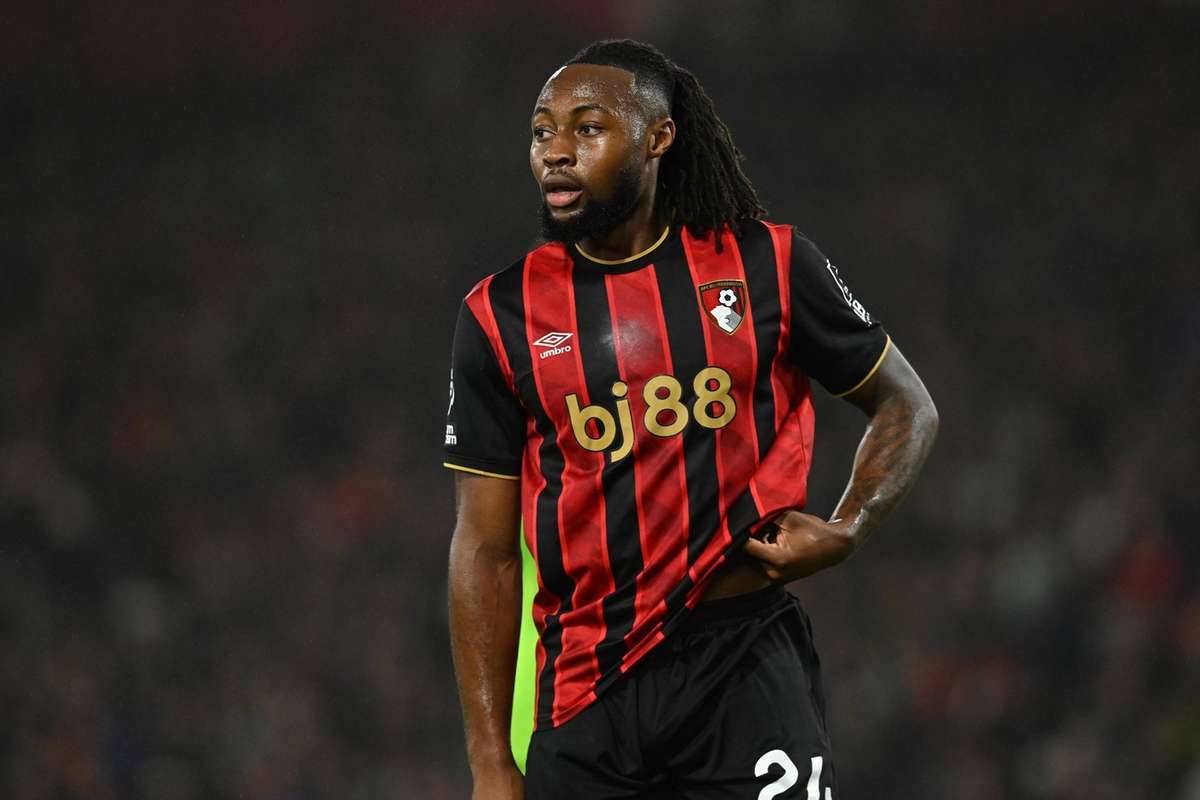
Mainoo’s reported desire to stay at Man United long-term, rather than leaving permanently, suggests he might believe he can outlast manager Ruben Amorim. Amorim’s start to the season has been difficult, with just 28 points from 29 Premier League games. Despite this, he reportedly still has the board’s support. However, a recent Carabao Cup defeat to League Two side Grimsby has certainly raised questions among fans. Ahead of a crucial league game against Burnley, Amorim publicly stated his desire for Mainoo to stay, though his comments also hinted at his own frustrations with the job. The transfer window remains open, and with the recent sales of Alejandro Garnacho to Chelsea and Antony to Real Betis for an estimated £25 million, Man United now have more financial flexibility. This situation brings parallels to the 2014-15 season under Louis van Gaal, where a League Cup exit to a lower-league team (MK Dons) was followed by significant signings (Angel Di Maria, Daley Blind, Radamal Falcao) and a fourth-place finish. While a turnaround might seem unlikely now, history suggests Man United could still bring in a new midfielder and potentially improve their form. Mainoo’s loan request was a strategic move, but it doesn’t guarantee his long-term future at the club beyond this season.
✈️ Who Might Sign Mainoo?
Mainoo’s contract with Man United has two years left, and a major sticking point in new deal discussions is a lack of guaranteed playing time. Reports from earlier this year suggested Mainoo was interested in a move abroad. Real Madrid and Antonio Conte’s Napoli have been mentioned as potential suitors. However, a significant threat to Man United comes from fellow Premier League rival Chelsea, who have shown long-standing interest in Mainoo and even enquired about his availability in January. While many clubs, both domestically and internationally, would likely be keen to take Mainoo on loan if Man United were to agree to his request, concrete offers or strong links have yet to emerge.
🤝 The Club’s Dilemma
From a logical perspective, a loan move for Mainoo seems to benefit everyone, even if it leaves Man United a bit thin in central midfield. It would allow Mainoo to gain crucial first-team experience without joining a direct rival permanently. If there were a managerial change sooner rather than later, Man United would still retain a young, valuable asset capable of making a significant impact in the future. Letting him go permanently is generally not an option. Such a move would likely lead fans to question the INEOS project, especially if they were to sell arguably their best academy product since Marcus Rashford. Furthermore, selling him permanently would risk strengthening a rival Premier League team, which is a scenario Man United would want to avoid.