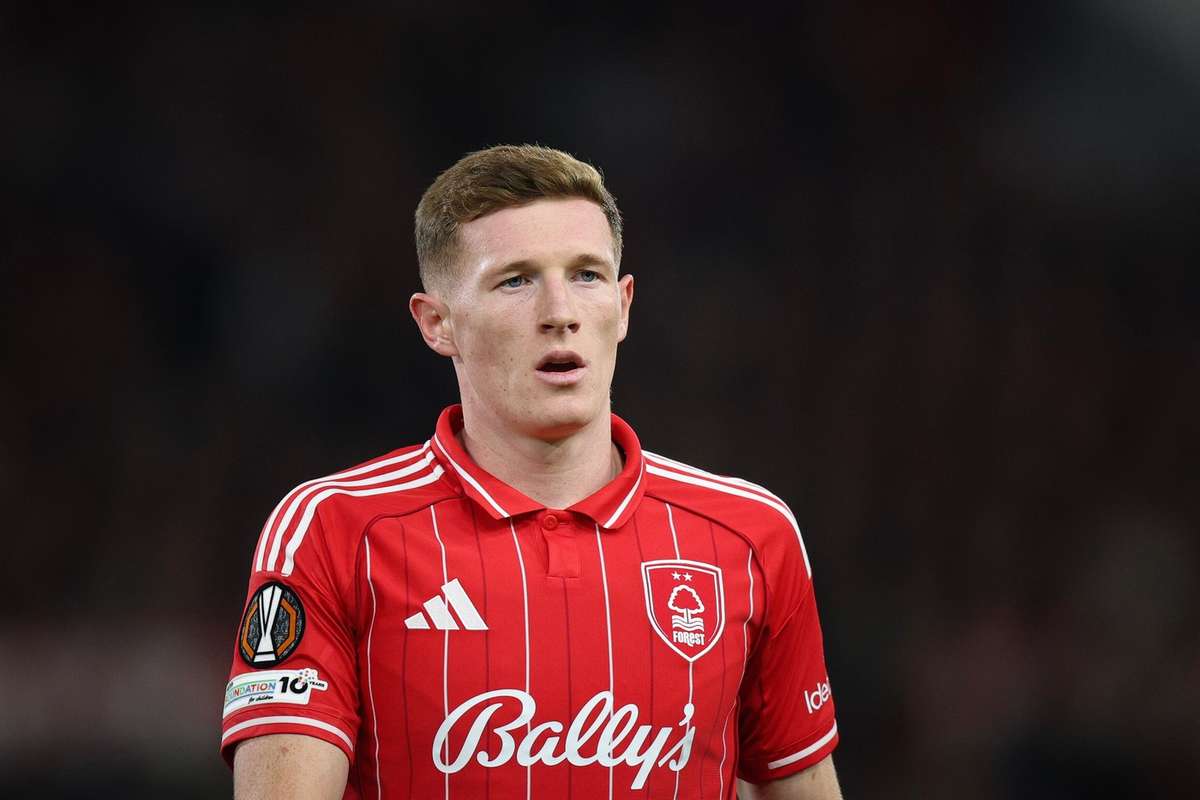
⚽️ Newcastle United manager Eddie Howe has openly shared his wish to see talented midfielder Elliot Anderson return to the club. Anderson’s move to Nottingham Forest last summer was not an ideal situation, as it was driven by the Premier League’s Profitability and Sustainability Rules (PSR). Despite the regrettable departure, Anderson has since thrived at Forest, becoming a key player and even earning his first call-up to the England national team. This situation highlights the tough choices clubs sometimes face to meet financial regulations while balancing squad development.
💸 The Unfortunate Departure
Elliot Anderson, now 22, was sold to Nottingham Forest for an estimated £35 million last summer. This difficult decision was made by Newcastle to comply with the Premier League’s PSR limits. For clubs, selling an academy product like Anderson offers a significant financial advantage: the entire transfer fee can be recorded as ‘pure profit’ in their accounts. This strategy helps clubs stay within financial fair play boundaries and avoid potential points deductions, a vital consideration in the competitive Premier League.
🌱 Anderson’s Growth at Forest
Since joining Nottingham Forest, Elliot Anderson has truly found his stride. He has quickly established himself as a vital part of their team, showcasing his skills and potential on the field. His impressive performances didn’t go unnoticed, leading to his debut for the England national team earlier this season – a significant milestone in any player’s career. With Forest set to visit St James’ Park this Sunday, Anderson’s return will undoubtedly be a talking point.
💬 Howe’s Deep Regret
Manager Eddie Howe has been very clear about his feelings regarding Anderson’s departure. “I don’t know (if the move will happen), but certainly from my perspective I would love him to,” Howe stated. He further expressed his regret, calling it a “real shame” for an academy product who had given so much to the club not to be utilised. Howe added, “We had no choice but to make the sale, but it was not one we wanted to do. It didn’t sit right with me then and doesn’t sit right with me today.” His words reflect the difficult balance between sporting ambitions and financial realities in modern football.