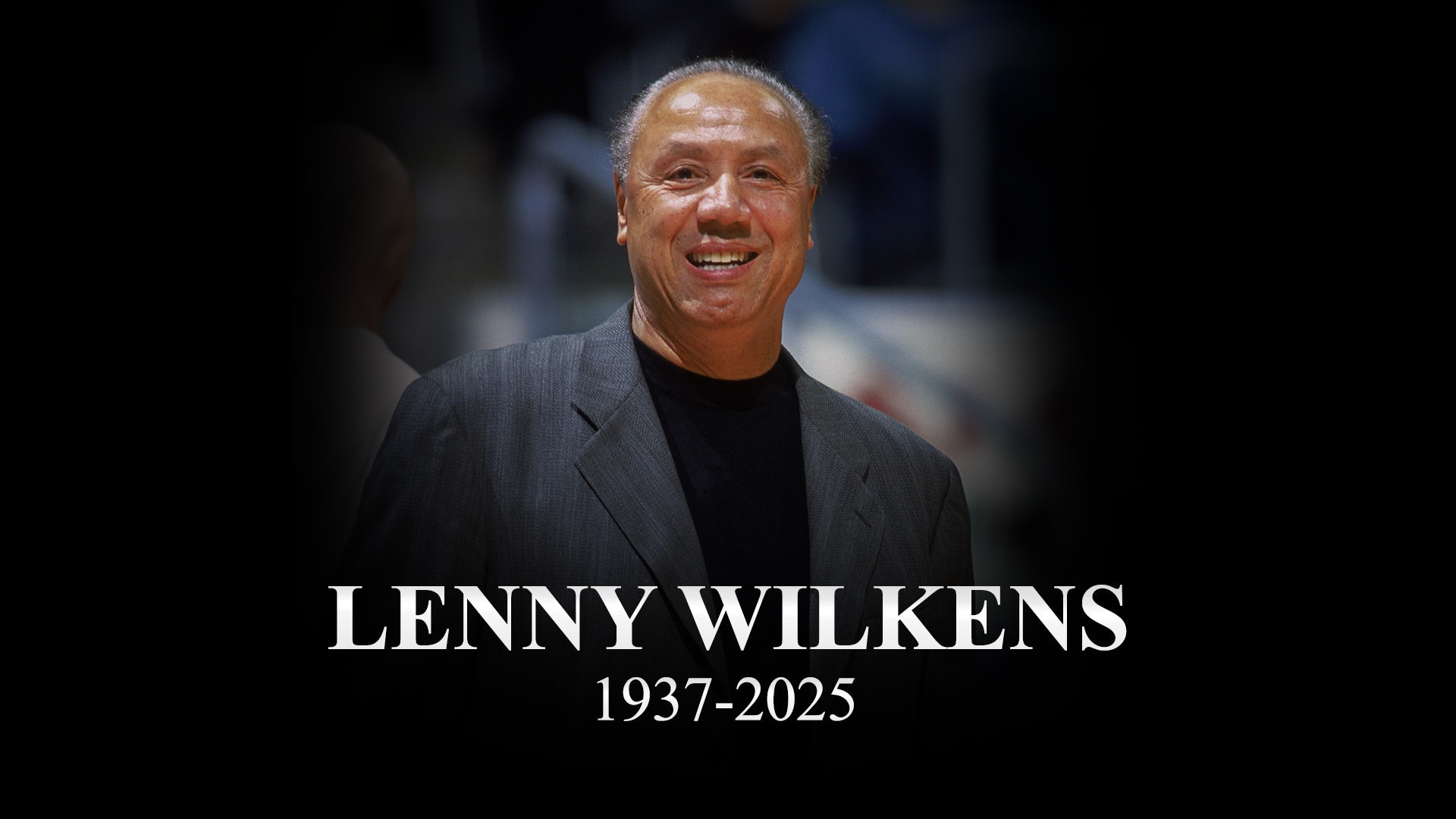
The basketball world is mourning the loss of Lenny Wilkens, a true icon of the sport, who passed away at the age of 88. Wilkens was a rare talent, earning a place in the Basketball Hall of Fame three times: as a player, as a coach, and as part of the legendary 1992 U.S. Olympic “Dream Team.” His quiet leadership and immense contributions have left a lasting mark on the NBA and the city of Seattle.
Known for his calm and thoughtful approach, Wilkens excelled in every role he took on. As a player, he was a dominant point guard. As a coach, he was a master strategist who led his teams to great success, including an NBA championship. His influence extended beyond the court, as he was a respected mentor and ambassador for the game, remembered for his integrity and class.
🏀 A Storied Career on the Court
Lenny Wilkens first made his name as one of the best point guards of the 1960s. Over a 15-season playing career, he was a nine-time All-Star, showcasing his skills with teams like the St. Louis Hawks, Seattle SuperSonics, Cleveland Cavaliers, and Portland Trail Blazers. He was a gifted scorer and an exceptional playmaker, twice leading the league in total assists. His best season came with the SuperSonics in 1968-69, where he averaged an impressive 22.4 points, 8.2 assists, and 6.2 rebounds per game.
🏆 A Masterful Coach on the Sidelines
After his playing days, Wilkens transitioned seamlessly into coaching, where his legacy grew even larger. He holds the NBA record for the most games coached, with 2,487 appearances on the sideline. His greatest coaching achievement came in 1979 when he led the Seattle SuperSonics to their only NBA championship. He also coached the U.S. Olympic teams to gold medals, first as an assistant in 1992 and then as head coach in 1996. He was the first coach to reach 1,000 career wins, setting a standard for excellence and longevity.
🕊️ A Legacy of Grace and Leadership
Beyond his many awards and records, Lenny Wilkens will be remembered most for his character. He believed that “leaders don’t yell and scream,” and he led with a quiet confidence and dignity that earned him universal respect. Figures like NBA Commissioner Adam Silver and Golden State Warriors coach Steve Kerr have praised him as an extraordinary mentor who led with integrity. In Seattle, he is considered the “godfather of basketball,” a beloved figure whose impact is honored with a statue in the city, cementing his legacy for generations to come.