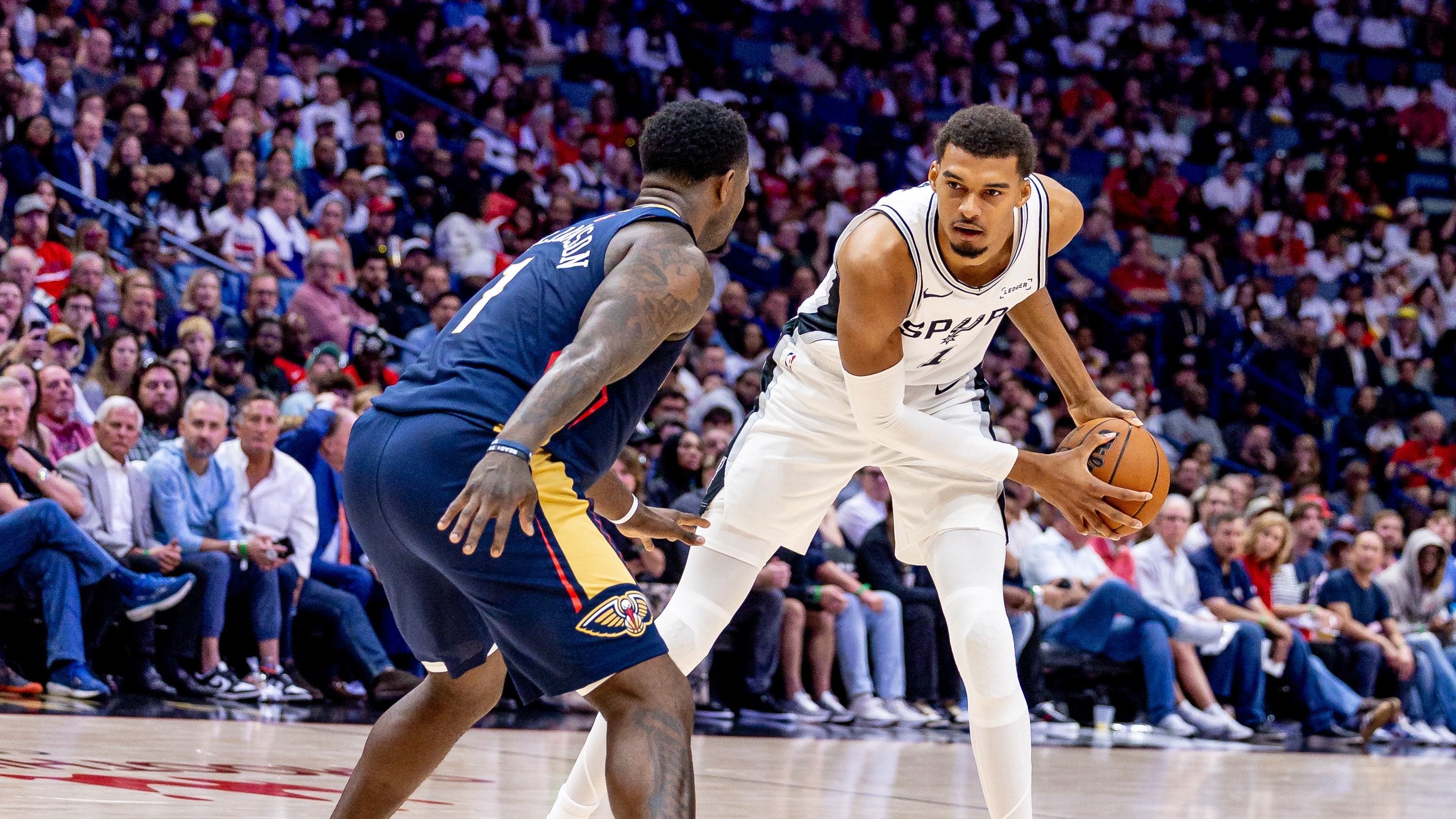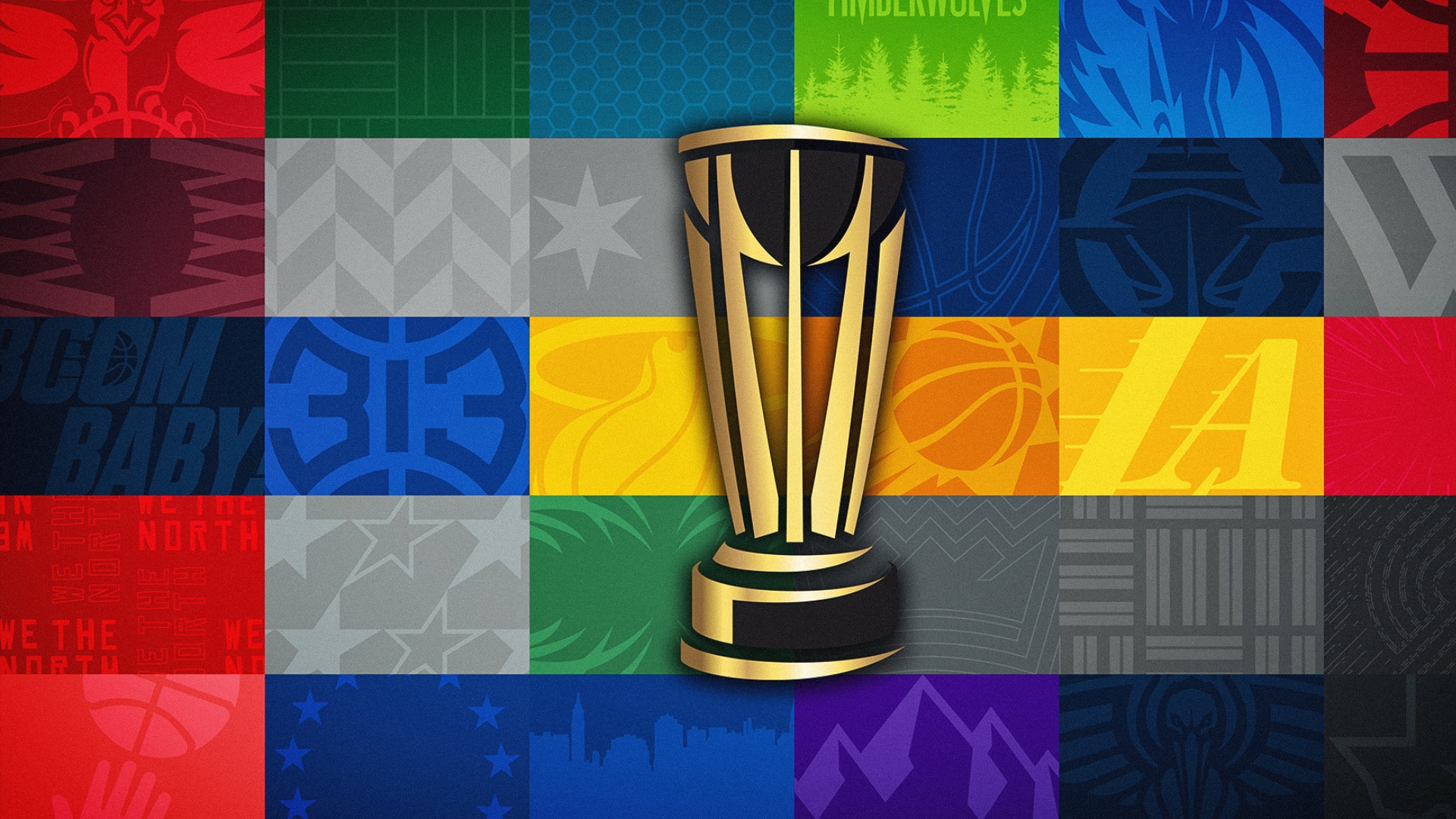
The Emirates NBA Cup is back, and with it come the stunning, custom-designed courts that make the tournament visually unique. For the second year in a row, artist Victor Solomon has collaborated with the NBA and all 30 teams to create a special playing surface for every NBA Cup game, transforming the hardwood into a vibrant canvas.
These special court designs serve a clear purpose: to make NBA Cup games look and feel different from regular season matchups. The core idea is to blend a unified tournament theme with each team’s local identity. This year’s designs continue to evolve, building on last year’s success by introducing new visual concepts while refining the collaborative process between the artist and the teams.
🎨 The Creative Vision
🧠 The main idea behind this year’s court designs is “transition.” Victor Solomon aimed to create a simple yet powerful graphic foundation for all teams. This year’s design features a 5x5 mosaic pattern, a clever nod to the five players on a team and the five teams in each tournament group. This mosaic serves as a framework, with each team’s core colors graded across different phases. The goal was to establish a strong, elemental look that could be a base for deeper customization, avoiding an overly complicated design on such a large canvas.
🤝 A Team Effort
🏀 A key part of the process is the close collaboration with all 30 NBA teams. After creating the basic design framework, Solomon worked with each team’s creative staff to add a layer that tells a unique local story. This allows fans to connect with the design on a personal level. For example, some courts might feature elements inspired by a city’s history or culture, like the famous parquet floor of the Celtics or the roses associated with the Trail Blazers. This approach ensures that while the courts share a common tournament theme, they also celebrate the individual character of each team and its home city.
📺 Designing for the Screen
🖥️ Creating a court that looks good in person and on television presents unique challenges. The design process must consider practical aspects for players, fans in the arena, and broadcasters. For instance, colors that are too bright, like pure white, can be distracting on TV, while colors that are too dark, like black, can absorb too much light and hide details. The design must also be balanced from left to right, so the TV camera doesn’t need to constantly adjust its exposure as it pans across the court. To ensure everything looked perfect, the team even tested giant vinyl printouts of the designs on camera before the season began.
💡 Evolving a Tradition
🌟 This year’s court designs are not a complete restart but an evolution of last year’s project. The goal is to build a lasting tradition for the NBA Cup. Teams are not pressured to create something entirely new each year; some even chose to keep the same custom overlay they used previously. The idea is to have a flexible system with different visual components that designers can use and adapt each season. For Solomon, the process is a constant effort to improve and refine, ensuring the court designs enhance the viewing experience without distracting from the excitement of the game itself.