Welcome to Yahoo’s new “High Score” fantasy basketball format, a fresh take on the game that changes traditional strategies. The main rule is simple: your weekly score is based only on the single best performance from each of your six starters. This means a player can have a few quiet games, but as long as they deliver one outstanding performance, that’s all that counts for your team’s total.
This unique system shifts the focus from consistent, everyday players to those capable of having explosive, “week-winning” games. It’s less about avoiding bad nights and more about chasing the highest possible scoring peaks. Understanding this core difference is key to building a successful team in your draft.
🏀 Guards Are More Valuable Than Ever
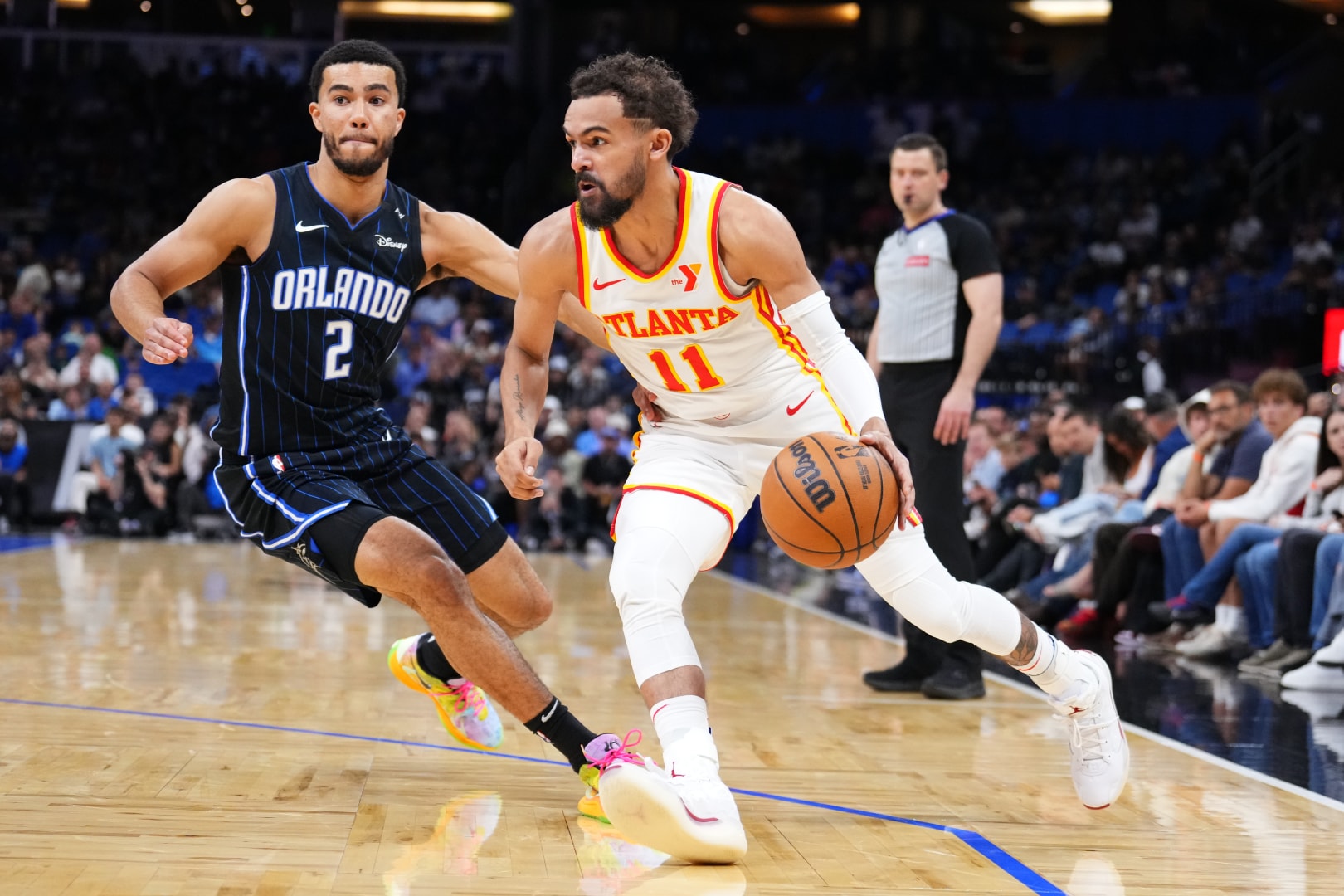
One of the biggest changes in the High Score format is how player statistics are valued, which gives a major boost to guards. Assists are now worth 2 points each, and turnovers no longer subtract points. This is great news for playmakers like Trae Young or Cade Cunningham, who handle the ball a lot. Furthermore, with steals worth 3 points, guards who are active on defense become even more valuable. This scoring system encourages you to prioritize guards who can rack up assists and steals, as they can provide a huge point boost even before considering their scoring and rebounds.
📈 Prioritize Players with High-Scoring Potential
In traditional fantasy formats, a player’s injury risk or tendency to rest can be a major problem. However, in High Score, these concerns are much smaller. Since you only need one great game from a starter each week, players like Joel Embiid become top-tier options. Even if he only plays once in a week, his potential for a dominant 50-point fantasy performance is exactly what you need. This same logic applies to inconsistent but explosive players like Jalen Green. You don’t have to worry about his quiet games; you just need to capture one of his big scoring nights to win your week.
📉 Be Cautious with Traditional Centers
Players who are reliable for rebounds and blocks but don’t score much, like Rudy Gobert, are less valuable in this format. The scoring system reduces the value of rebounds to just 1 point, and these traditional centers often have a limited offensive game. While they might have a game with many rebounds or blocks, their overall point total rarely reaches the explosive levels needed to make a big impact in High Score. Instead of drafting these “safe” but low-ceiling centers, it’s better to focus on frontcourt players who are more involved in their team’s offense and can contribute across more categories.
🎯 Use Late-Round Picks on High-Risk Players
High Score rosters are smaller, which means your late-round draft picks are the perfect opportunity to take a chance on high-potential players. Instead of choosing safe, low-upside players to fill out your bench, look for “lottery tickets”—players who could have a breakout performance. Rookies who are expected to get scoring opportunities, like Tre Johnson, are ideal targets. They may be inconsistent, but their potential for a huge game makes them worth the risk. If your pick doesn’t work out, the small bench makes it easy to drop them for a promising player from the waiver wire.