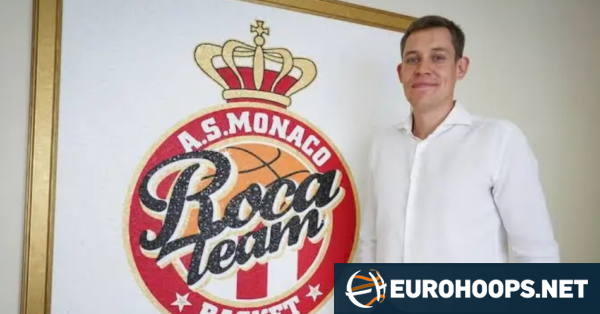
A major discussion is happening in European basketball about the possibility of an “NBA Europe” league. While the idea has generated excitement, key figures are expressing caution. Oleksiy Yefimov, the general manager of AS Monaco, a top EuroLeague team, recently shared his concerns about the project.
Yefimov’s perspective is important because Monaco is a successful club but not a permanent shareholder in the EuroLeague, which could make a new venture seem appealing. However, he believes the current proposal carries more risks than clear rewards. He argues that instead of starting something new, the focus should be on improving the existing and successful EuroLeague structure.
🤔 Why the Caution?
Oleksiy Yefimov sees the interest from American investors as a positive sign that European basketball is a valuable product. However, he questions whether the NBA Europe plan truly benefits the sport in Europe. “At this stage, I see more potential risks than tangible opportunities for improvement,” he explained. His main concern is that the project could disrupt the current basketball landscape without offering a clear advantage.
📊 Lacking Clear Details
A major issue for Yefimov is the lack of specific information about the NBA Europe project, especially regarding its finances. He pointed out that there are no concrete figures or business models explaining how the new league would increase revenue or grow the fan base. He contrasted this uncertainty with the EuroLeague’s proven success, noting that the fan base in France has grown by about 70% in four years, thanks in large part to Monaco’s performance and free television broadcasts.
💡 A Better Path Forward?
Instead of creating a new league that could confuse fans and split talent, Yefimov suggests a different approach: strengthening the EuroLeague. He believes the league should expand to 24 teams and include more clubs as shareholders, such as Monaco, Dubai, Valencia, and Paris. In his view, this would create long-term stability and growth for all. “An expansion… would be the best way to protect and strengthen the European basketball ecosystem,” he concluded.